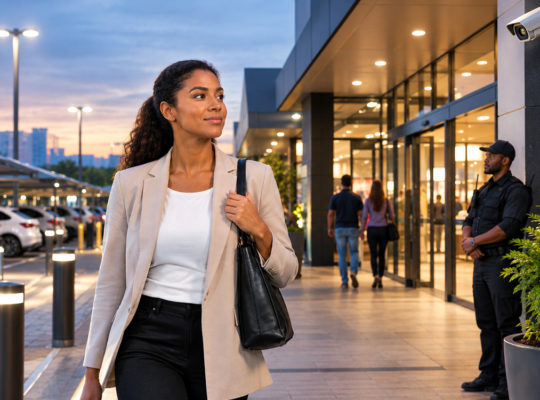

Stats SA data shows a mixed crime picture, while fewer than four in 10 South Africans feel safe walking alone after dark
South Africa’s latest crime data presents a mixed picture, with several household crime categories showing declines, yet feelings of safety remain a significant concern.
The latest Statistics South Africa (Stats SA) Governance, Public Safety and Justice Survey (GPSJS) 2025/26 shows that only 37.9% of people aged 16 and older feel safe walking alone in their neighbourhood when it is dark, compared with 80.7% during the day.
The survey also found that the proportion of people who have taken steps to protect themselves against crime increased from 43.3% in 2024/25 to 46.6% in 2025/26.
At household level, housebreaking remains the most common household crime, with an estimated 1.5 million incidents affecting 1.08 million households during 2025/26. Only 48.2% of affected households reported some or all incidents to police.
For individuals, street robbery was the second most common personal crime, affecting an estimated 459,000 people, with 41.7% reporting some or all incidents to police.
For Fidelity Services Group, these figures highlight why public safety cannot rest solely on individuals being told to remain vigilant.
“Telling people, particularly women, simply to be more vigilant places too much responsibility on the individual and not enough on those who control the environment around them,” says Wahl Bartmann, Group CEO at Fidelity Services Group.
“Whether someone is walking through a parking area, using a taxi rank, entering a shopping centre or walking along a public pathway, the safety of that environment is influenced by decisions made by the people and organisations responsible for managing it. That responsibility cannot be overlooked.”
Safety starts with the environment
Public safety requires more than warnings. It requires environments designed and managed with security in mind.
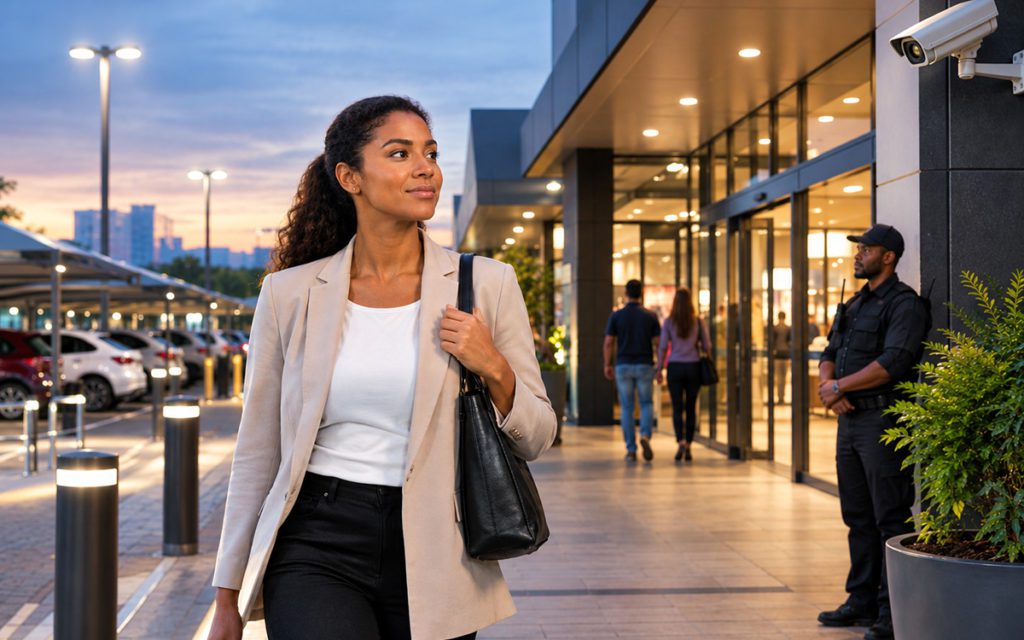
“Responsibility starts with the basics,” says Bartmann. “Adequate lighting, controlled access, functioning CCTV, visible and trained security personnel, clear emergency procedures and simple ways for people to report incidents can all contribute to safer environments.”
Underreporting also matters.
When incidents are not reported, property owners, precinct managers, retailers and other stakeholders may not have a complete picture of where and when people are experiencing risk.
“A crime that goes unreported is a risk that can remain unaddressed. Creating safe and accessible reporting channels is therefore an important part of managing public spaces effectively,” Bartmann says.
Safety should not stop at the front door
For many South Africans, the vulnerability of moving through public spaces does not end when they reach their vehicle or leave a taxi. The journey from the parking area or transport point to the front door can also be a moment of heightened concern, particularly after dark.
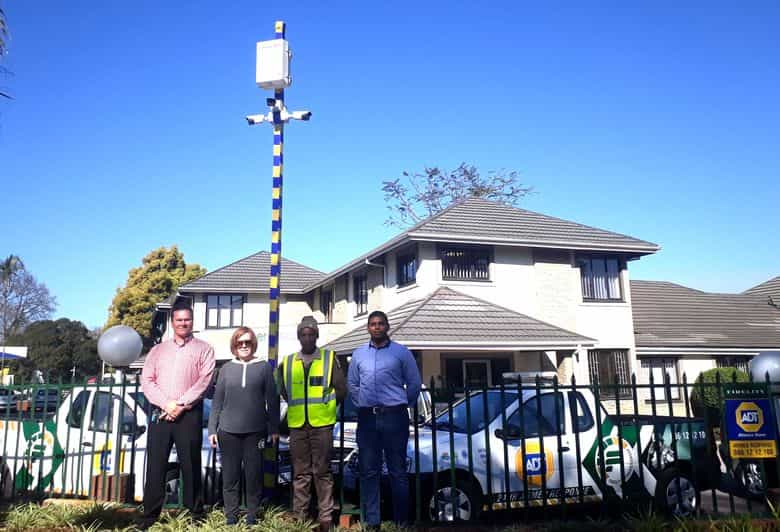
Fidelity ADT Home Security offers a range of solutions designed to provide additional support and peace of mind, including SecureMe, SecureMe Plus, SecureWatch, SecureHome and SecureConnect.
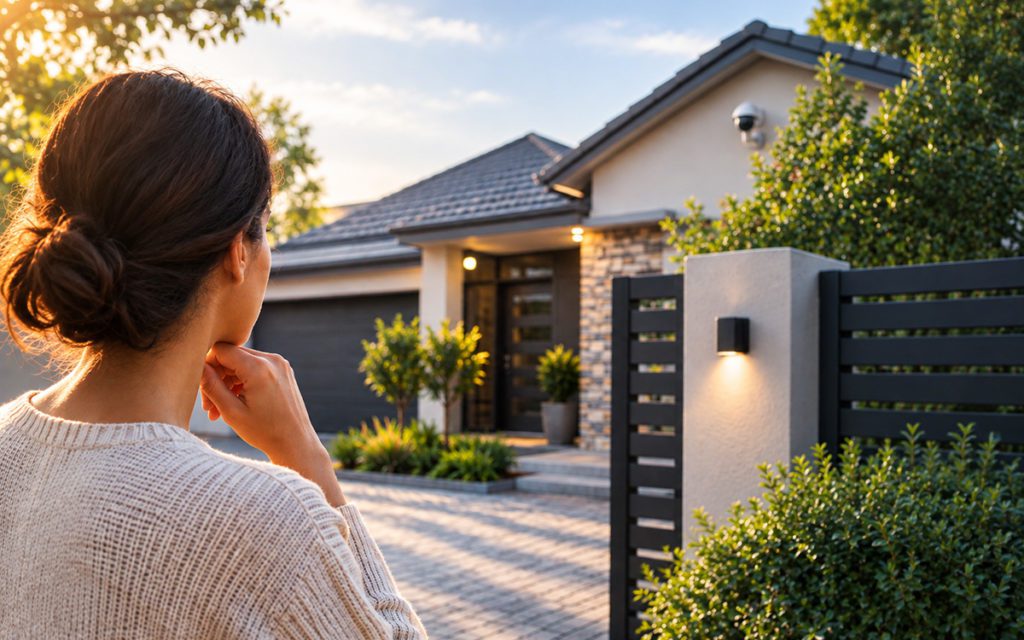
SecureMe is a portable panic device designed to help users call for assistance and share their location when they need help. For the home, SecureHome enables residents to monitor their alarm status, arm or disarm their system and receive alerts remotely, while SecureConnect combines smart-home functionality with video verification to help homeowners see what is happening at their property.
“Crime statistics may show areas of improvement, but people’s sense of safety remains an important measure of how secure our communities actually feel,” says Bartmann.
“Safety is built through consistent, visible action. It requires individuals to take sensible precautions, but it also requires property owners, businesses, transport operators, precinct managers and authorities to take responsibility for the environments they control.”
Fidelity Services Group is encouraging organisations responsible for public and shared spaces to review their security measures, including lighting, access control, CCTV and monitoring, emergency response procedures, security visibility and incident reporting.
“People should not have to choose between participating in everyday life and feeling safe. Creating safer public spaces is a shared responsibility – and it starts with taking action where we have the ability to make a difference,” Bartmann concludes.
Issued by Fidelity Services Group – charnelh@fidelity-services.com